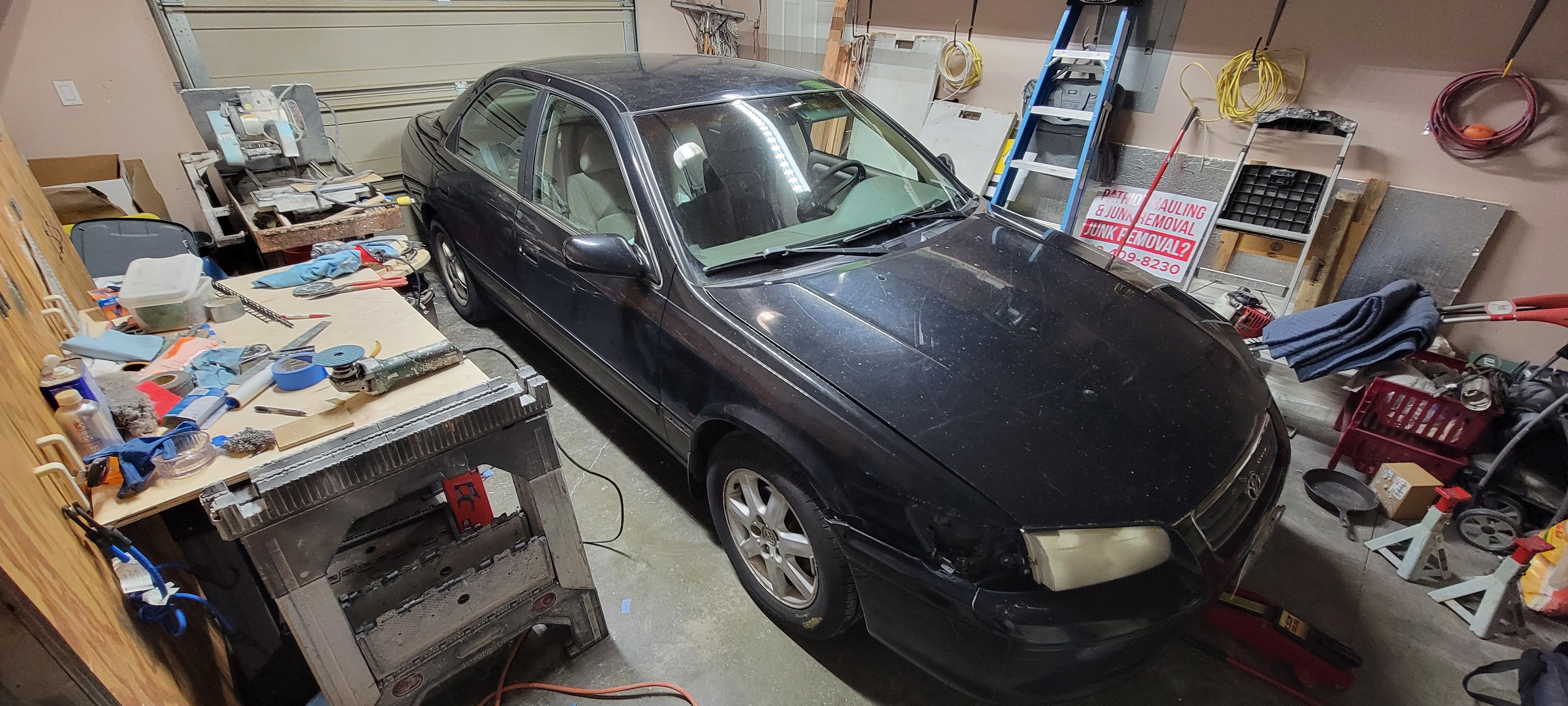
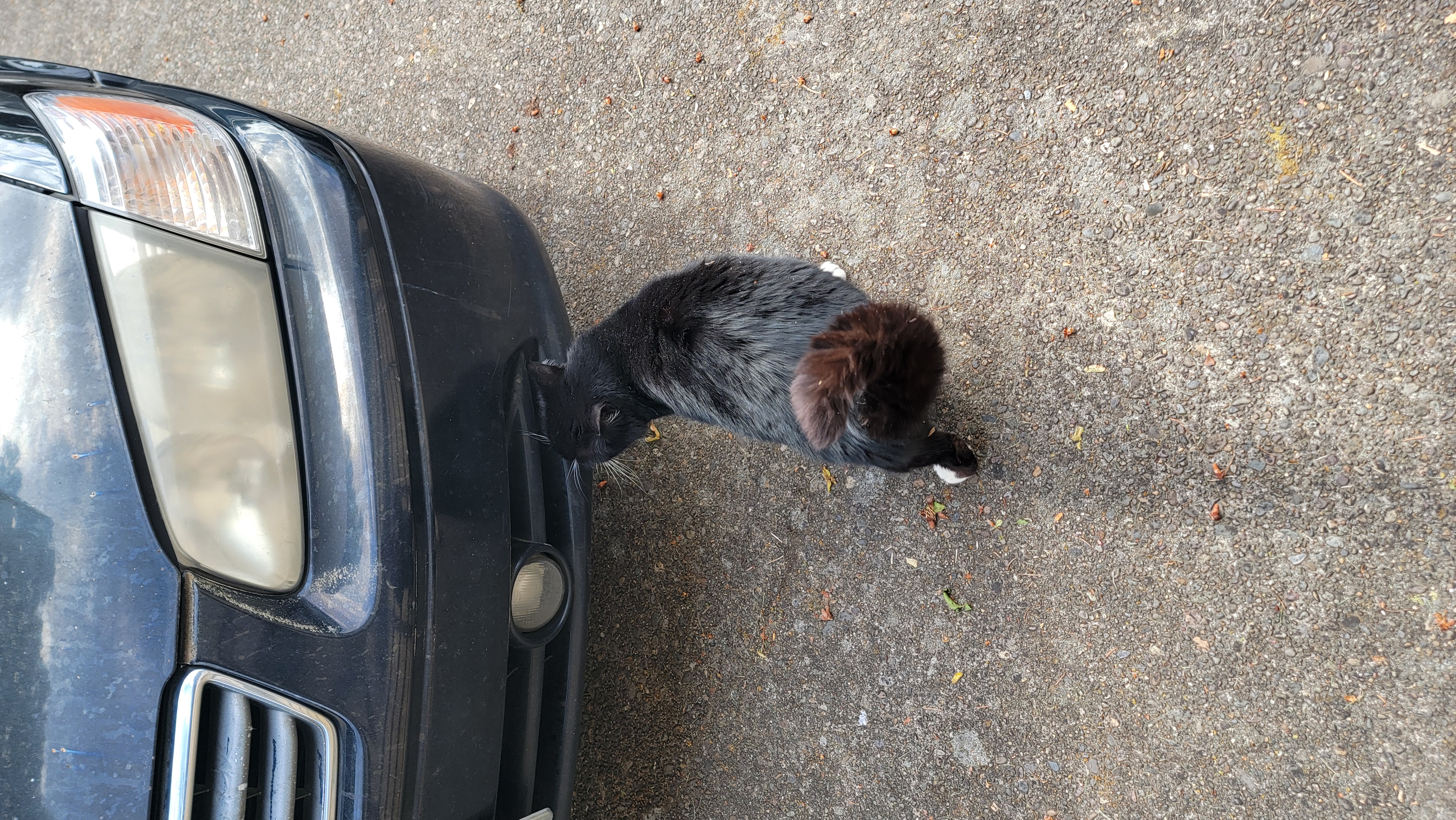
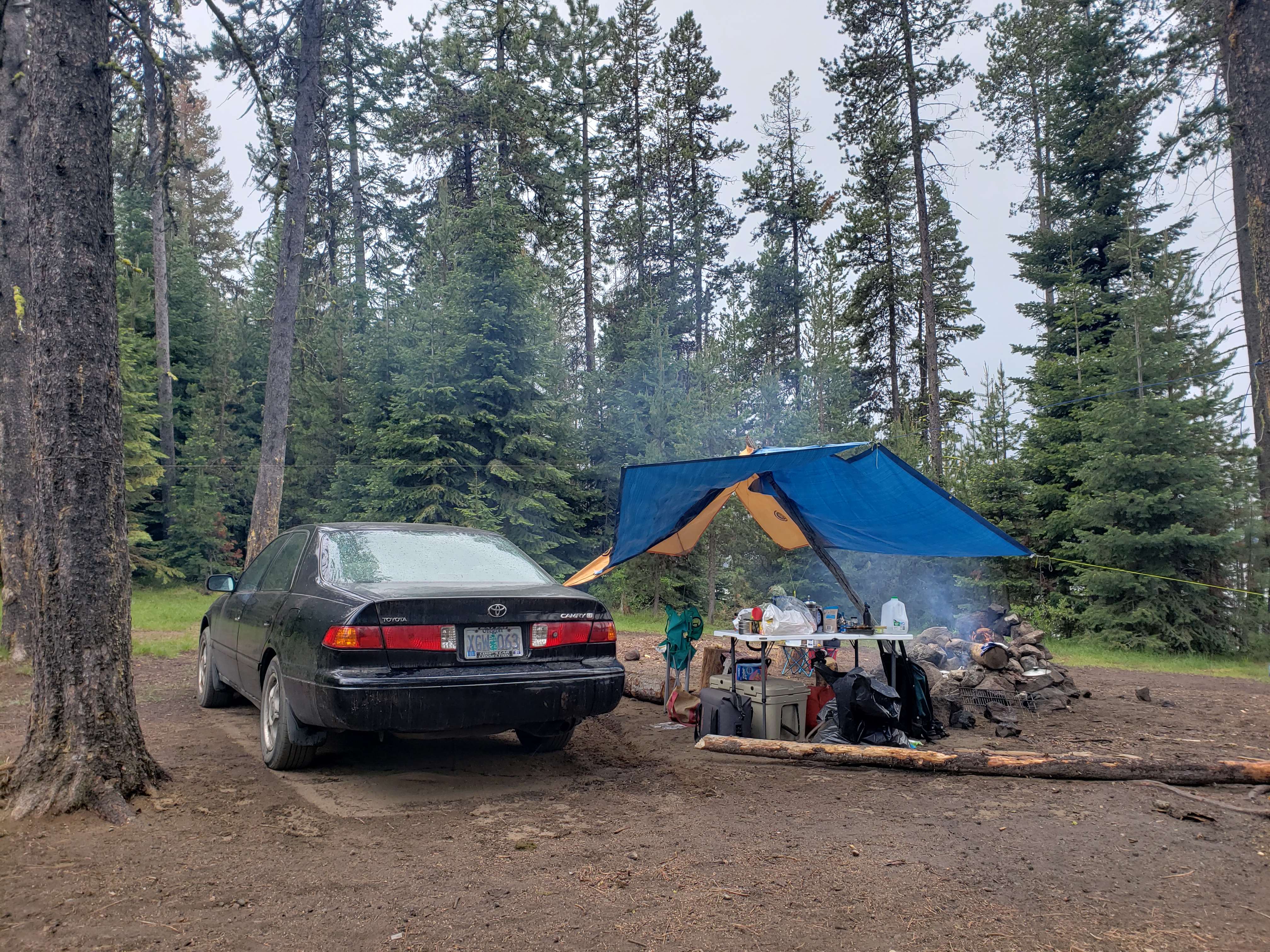
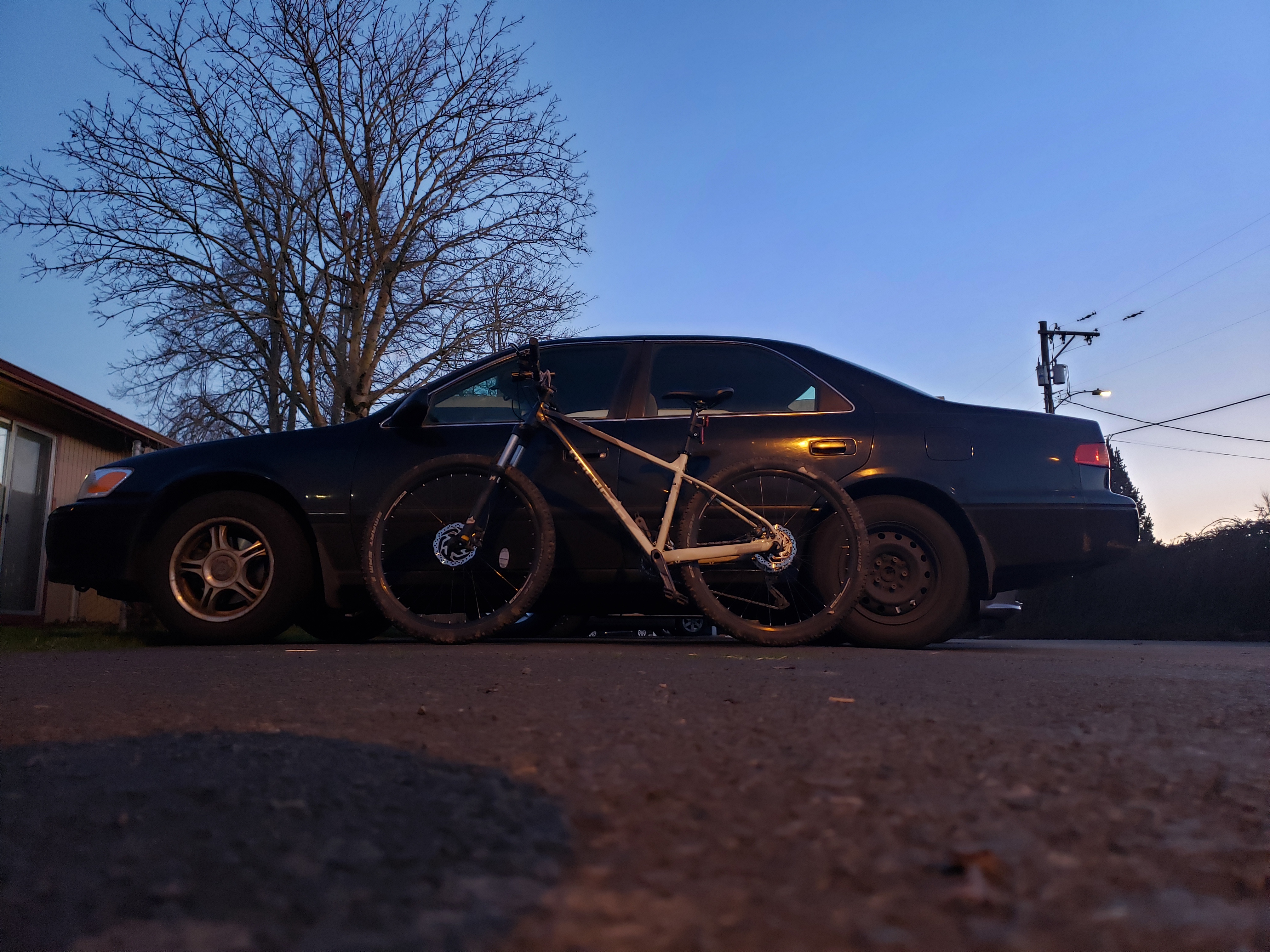
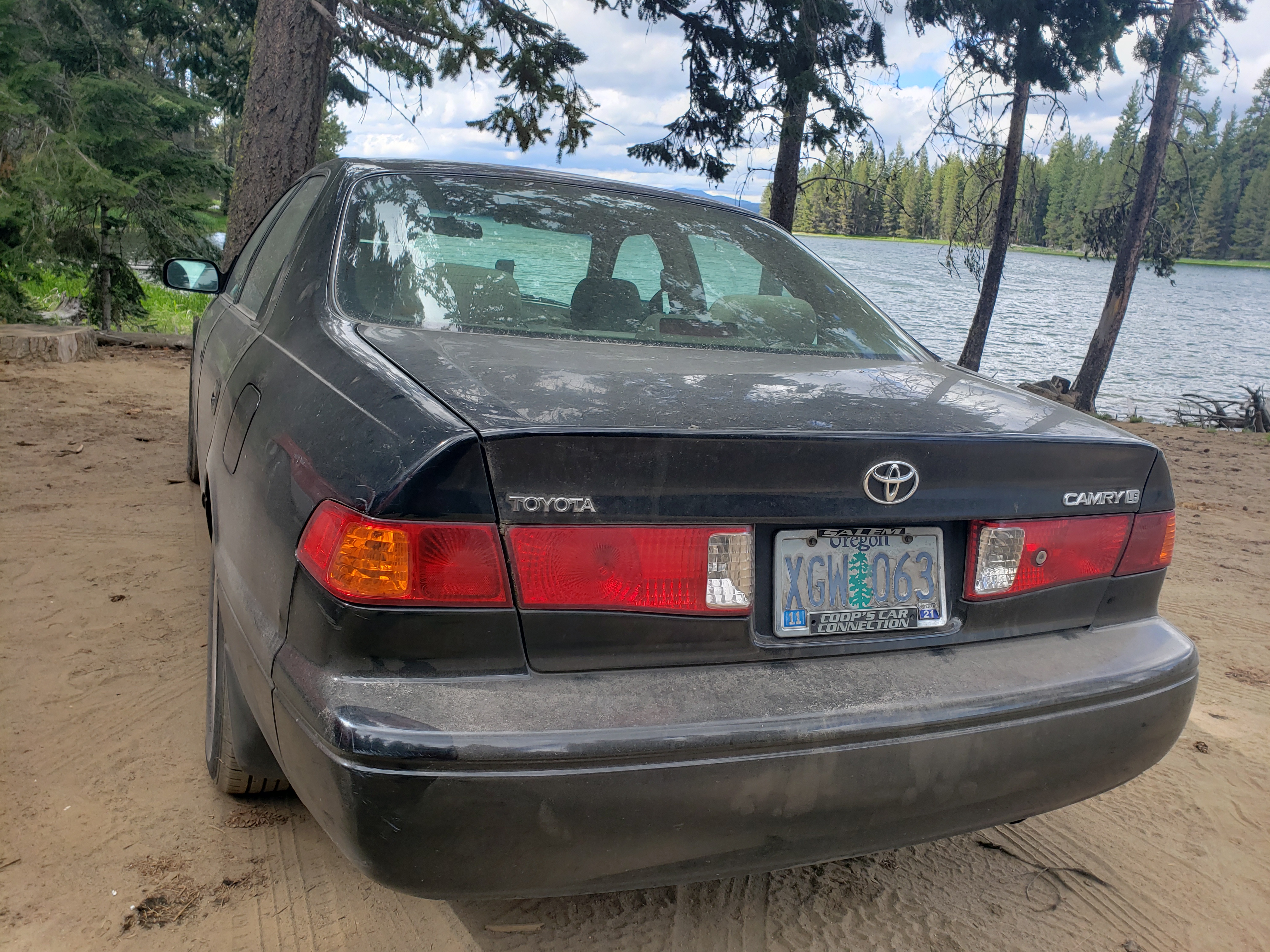
In 2015, I bought a 2000 Toyota Camry for $800. It had 205,000 miles. Most people would call it a “beater.” I called it an ASSET.
Ten years later, that same Camry has 323,000 miles on the odometer.
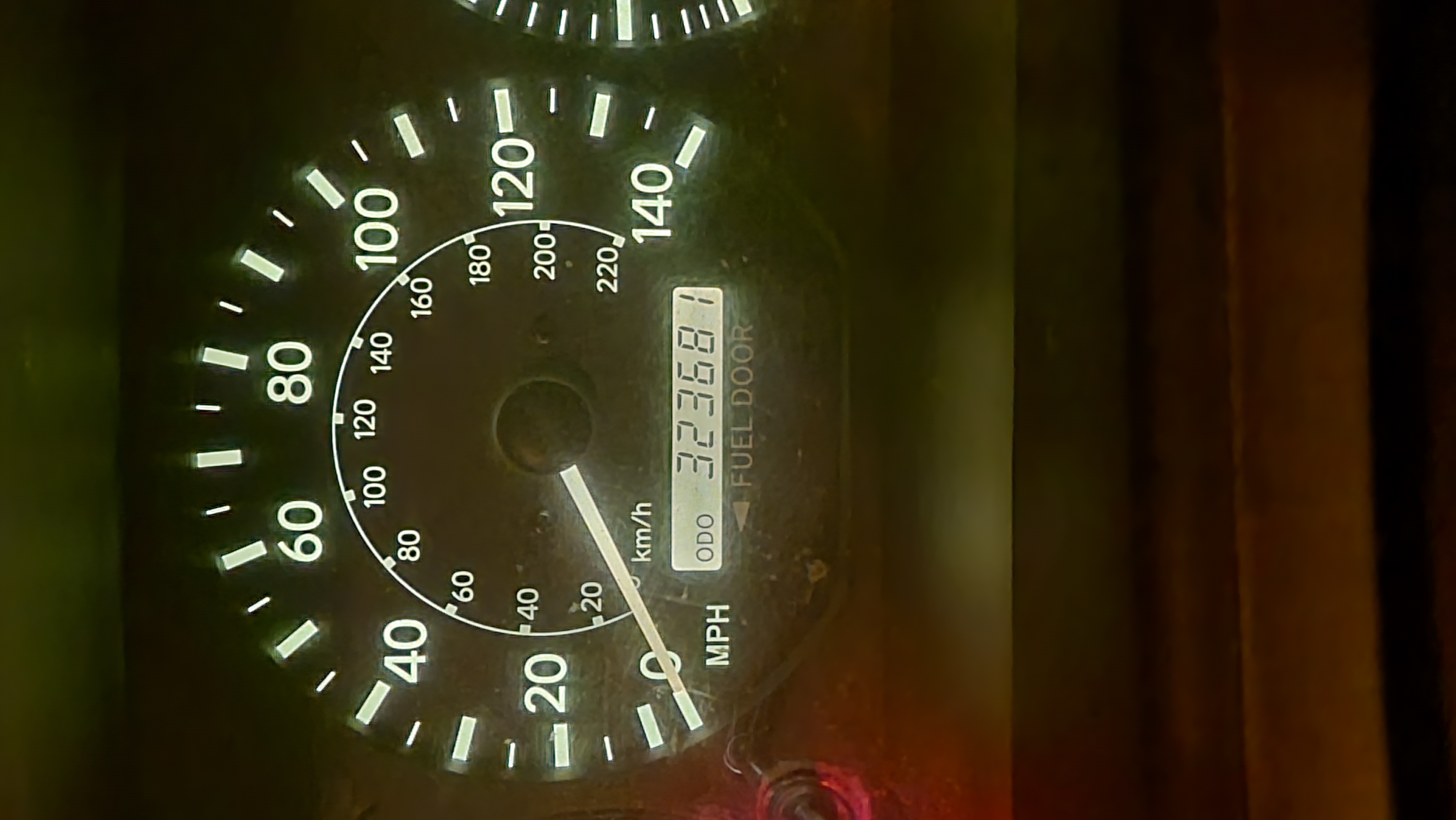
It’s earned me over $200,000 in income—delivering auto parts, driving for Walmart Spark, commuting to insurance verification jobs across Oregon.
It’s never left me stranded. It’s never needed a major repair. And it still runs like the day I bought it.
Why?
Because I treat my car the same way I treat my body: as a system that requires consistent, intelligent maintenance.
This isn’t a post about cars. This is a post about longevity. About understanding that every asset you own—your car, your body, your career, your relationships—operates on the same fundamental principle:
The Core Principle
”Neglect kills. Maintenance compounds.”
The Oil Change as a Life System
Every 6,000-7,500 miles, I change my oil.
Not every 3,000 miles like the quick-lube places tell you (that’s a profit-driven myth for most modern engines—do your own research for your specific vehicle).
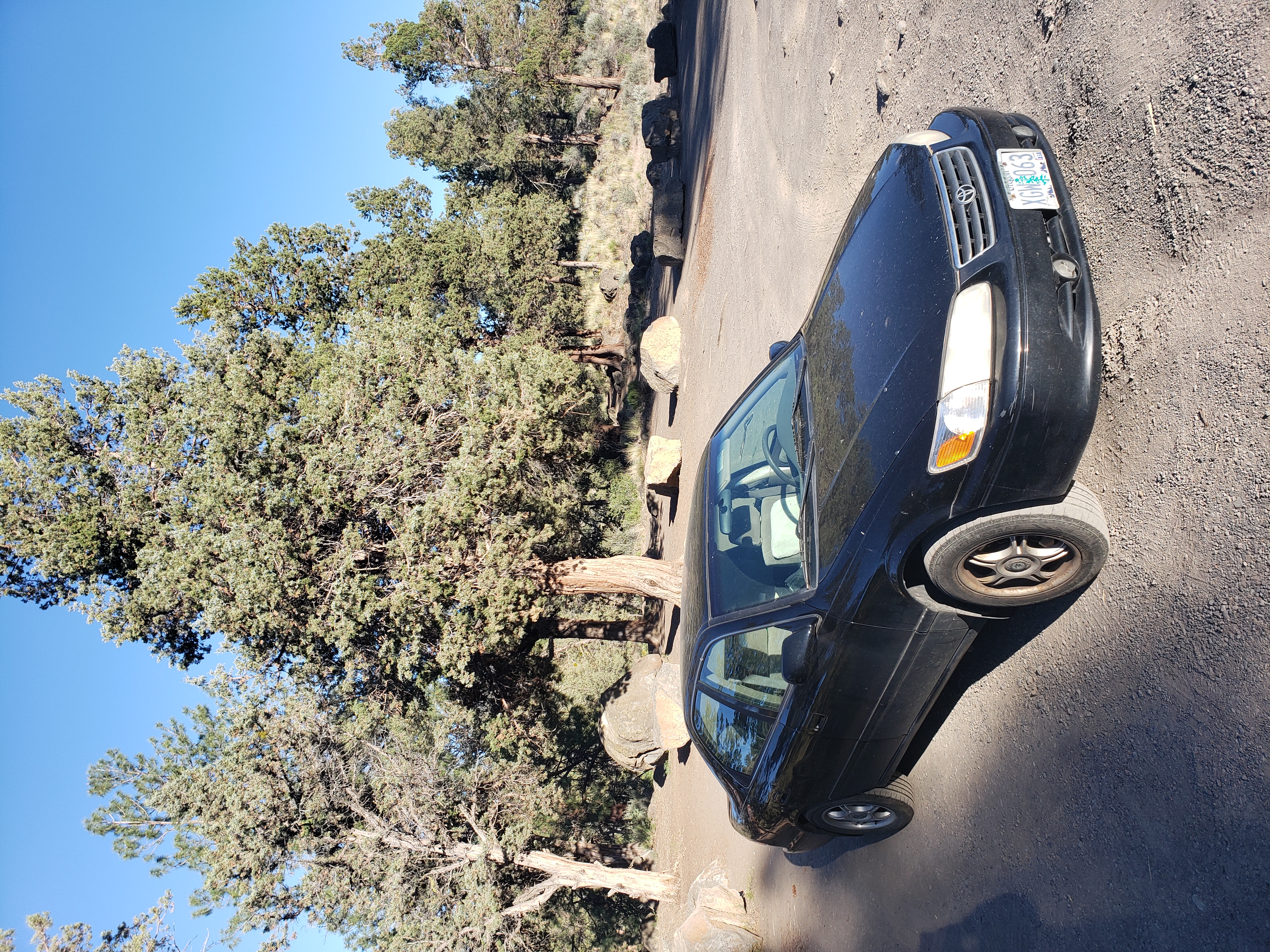
The entire process takes 45 minutes:
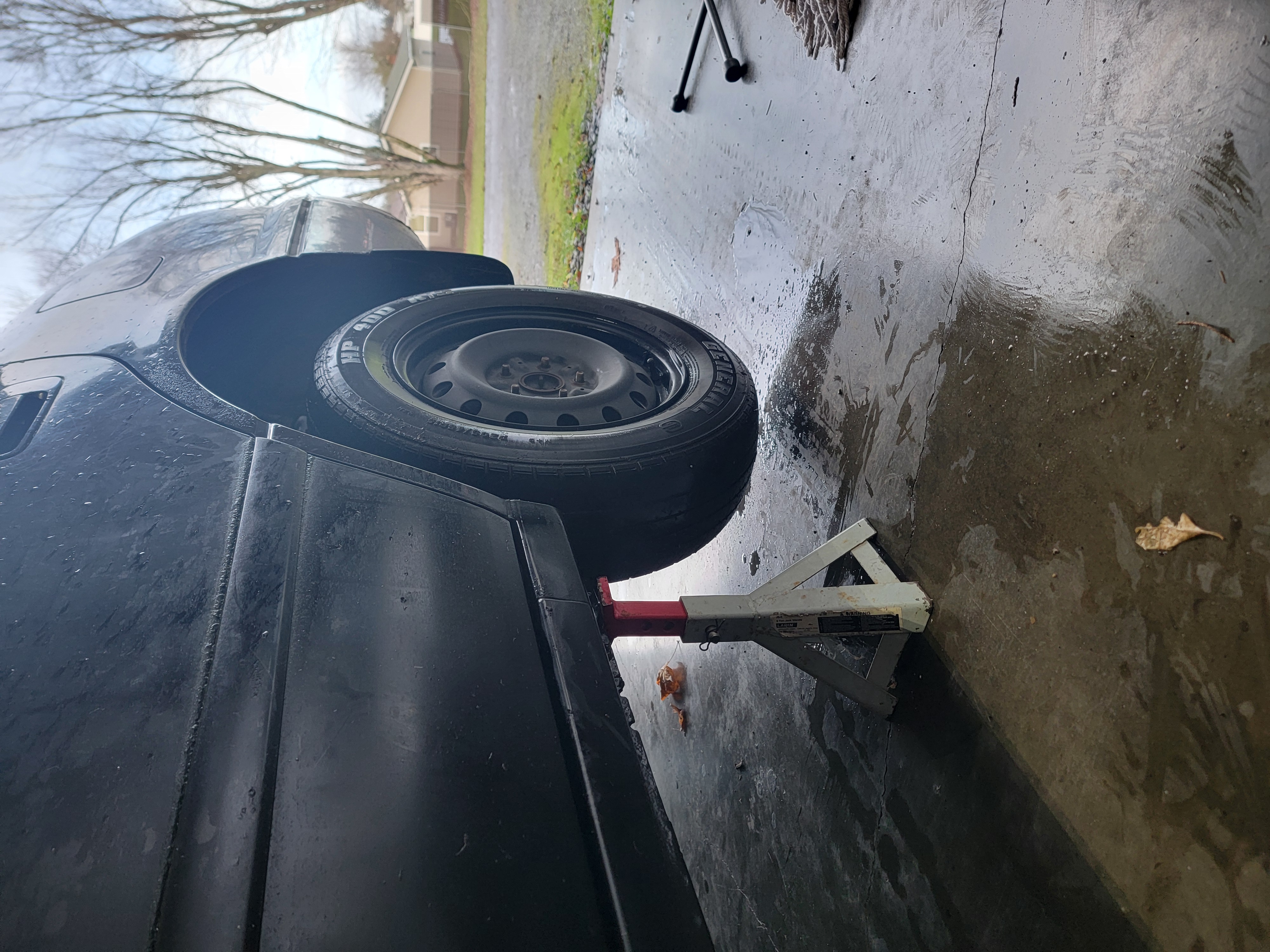
- 10 minutes: Jack up the car, drain old oil
- 5 minutes: Replace oil filter
- 10 minutes: Refill with new oil, check levels
- 5 minutes: Lower car, start engine, check for leaks
- 15 minutes: Clean up, dispose of old oil properly
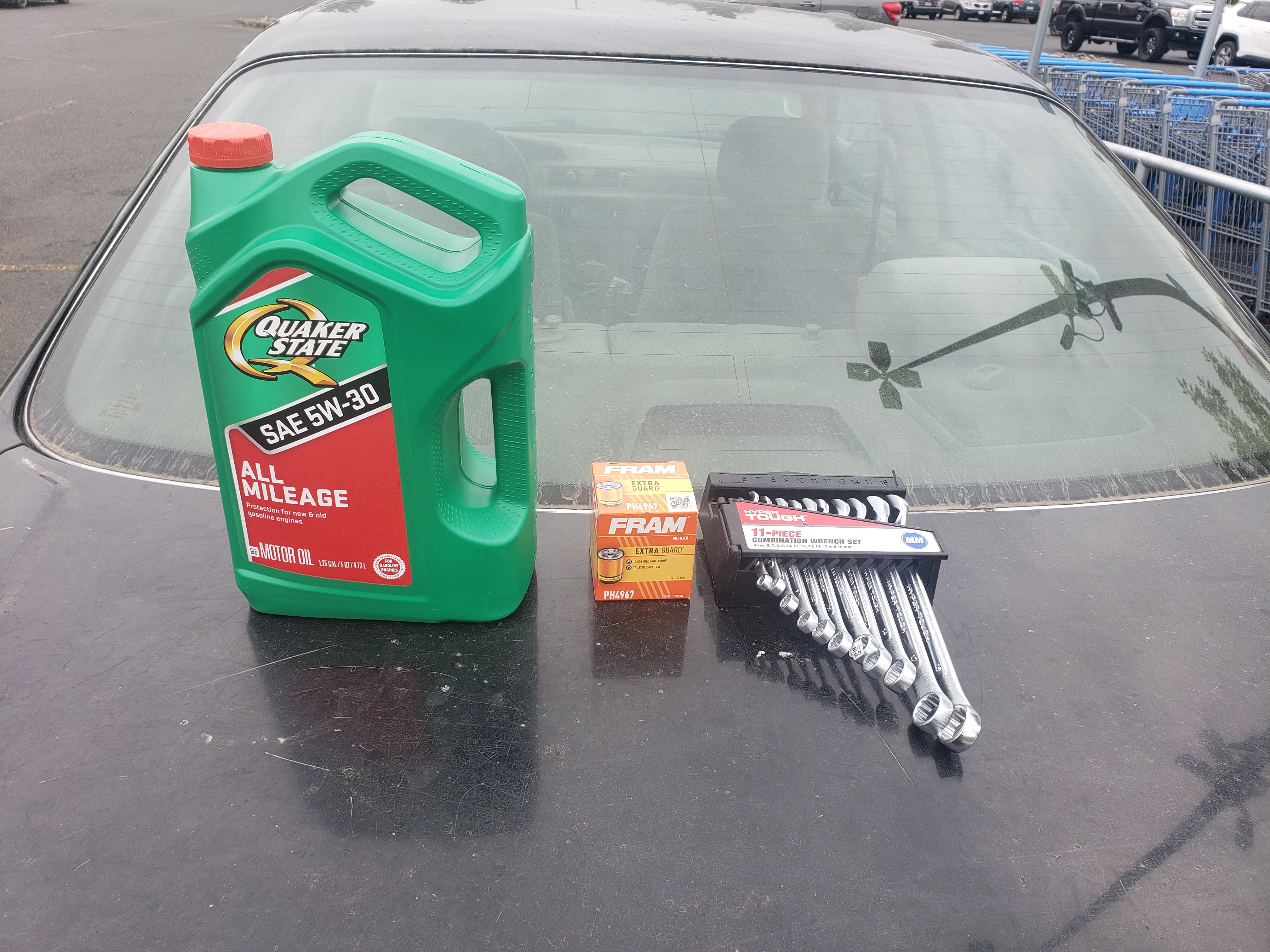
Total cost: $35 (oil + filter from Walmart). Versus: $75-120 at a shop.
Over 118,000 miles (323k - 205k), that’s approximately 16 oil changes. Savings: $640-1,360.
But here’s what you actually save: control.
When I change my own oil, I see:
- The condition of the drain plug (cross-threaded? stripped? leaking?)
- The color and consistency of the old oil (metal shavings? burnt smell? milky contamination?)
- The state of the oil filter (collapsed? damaged? clogged?)
- Leaks, cracks, rust, wear patterns underneath the car
This is the same reason I track my fitness data obsessively.
When you do the maintenance yourself, you see the system. You notice problems early. You prevent catastrophic failures.
Drive With the Car, Not Against It
Most people drive against their vehicles. They slam on brakes. They redline at every stoplight. They accelerate hard uphill and let the transmission fight for gears.
I drive with my car.
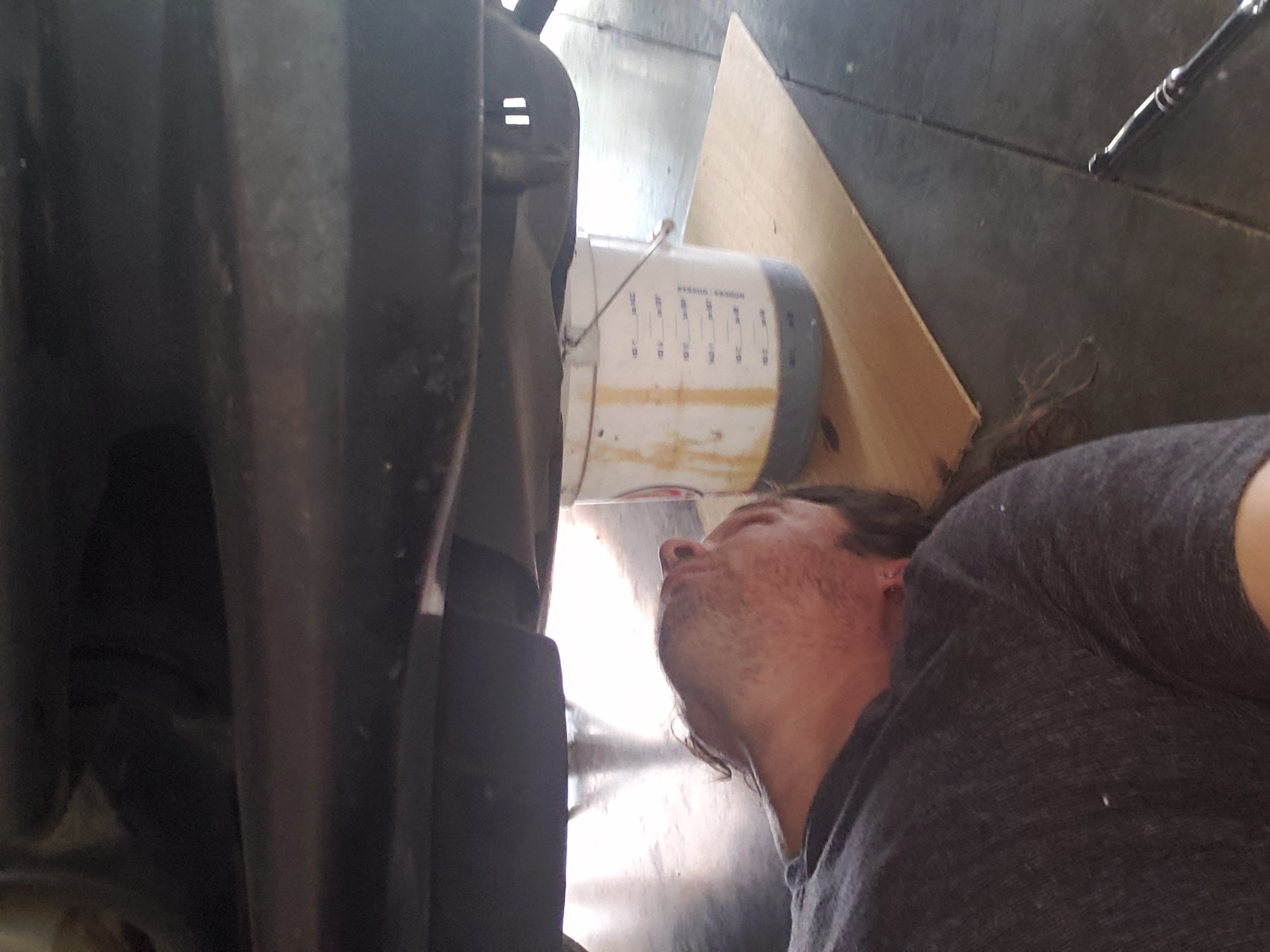
Here’s what that means:
Uphill acceleration:
When approaching a hill, I accelerate smoothly before the incline—building momentum so the engine doesn’t strain. As the car prepares to downshift (you can feel it in an automatic transmission), I give a split-second pause on the accelerator. The transmission shifts smoothly. No jerking. No stress on the clutch packs. No unnecessary wear.
This is the same as training with ADHD. You don’t fight your brain’s natural rhythms—you work with them. Take medication when your energy naturally peaks. Schedule deep work when your focus window opens. Rest when your body demands it.
Fighting the system burns you out. Working with the system compounds gains.
Braking strategy:
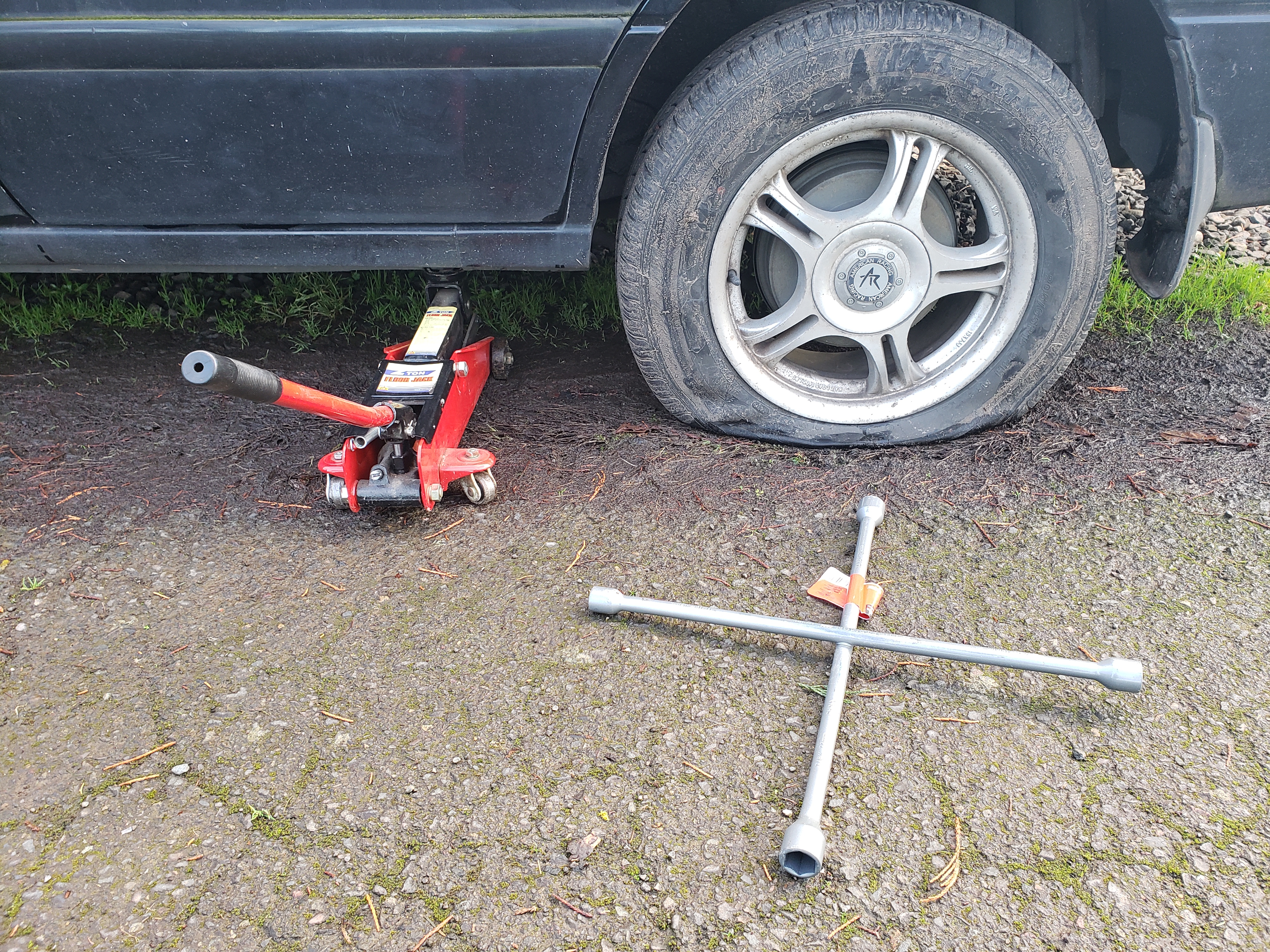
I don’t slam on brakes unless it’s an emergency. I anticipate stops 200-300 feet ahead—lifting off the accelerator early, letting engine braking slow the car naturally, then applying brakes gently.
This reduces brake wear by 40-60% (I’ve gone 100,000 miles on the same brake pads).
But more importantly: it reduces accident risk. When you’re thinking 200 feet ahead, you see:
- The car three vehicles up that’s braking.
- The pedestrian about to step off the curb.
- The traffic light that’s been green for 45 seconds (about to turn yellow).
This is systems thinking. You don’t react to the immediate crisis. You anticipate the crisis three steps ahead—and prevent it.
The 4-Way Stop at 2 AM
Here’s a scenario most drivers get wrong: You’re driving through rural Oregon at 2:00 AM. You haven’t seen another car in 20 minutes. You approach a 4-way stop in the middle of nowhere.
Do you stop?
Most people don’t. “No one’s around,” they think. “Why waste time?”
I stop. Every single time.
Why? Because it’s precisely in those moments—when you assume safety—that disaster strikes:
- A child running across the road (family car broke down nearby).
- An elderly person with dementia wandering at night (happens more than you think—I know this intimately).
- A drunk driver blowing through from the other direction.
- A deer, a cyclist with no lights, a fallen tree branch.
You never know. And you can only get lucky so many times.
This is the same principle as financial risk management. The “safe” investments—the ones everyone assumes can’t fail—are precisely where systemic risk hides. 2008 housing crisis: “Real estate always goes up.” 2022 crypto crash: “Bitcoin is digital gold.”
The danger isn’t in the obvious risks you manage. The danger is in the risks you assume don’t exist.
Your Car is a 3,800-Pound Weapon
A 2000 Toyota Camry weighs approximately 3,800 pounds fully loaded. At 60 mph, that’s 356,400 pounds of force in a collision (kinetic energy = 1/2 × mass × velocity²).
That’s not a car. That’s a weapon.
And like any weapon, it demands:
- Respect (don’t drive distracted, tired, or impaired).
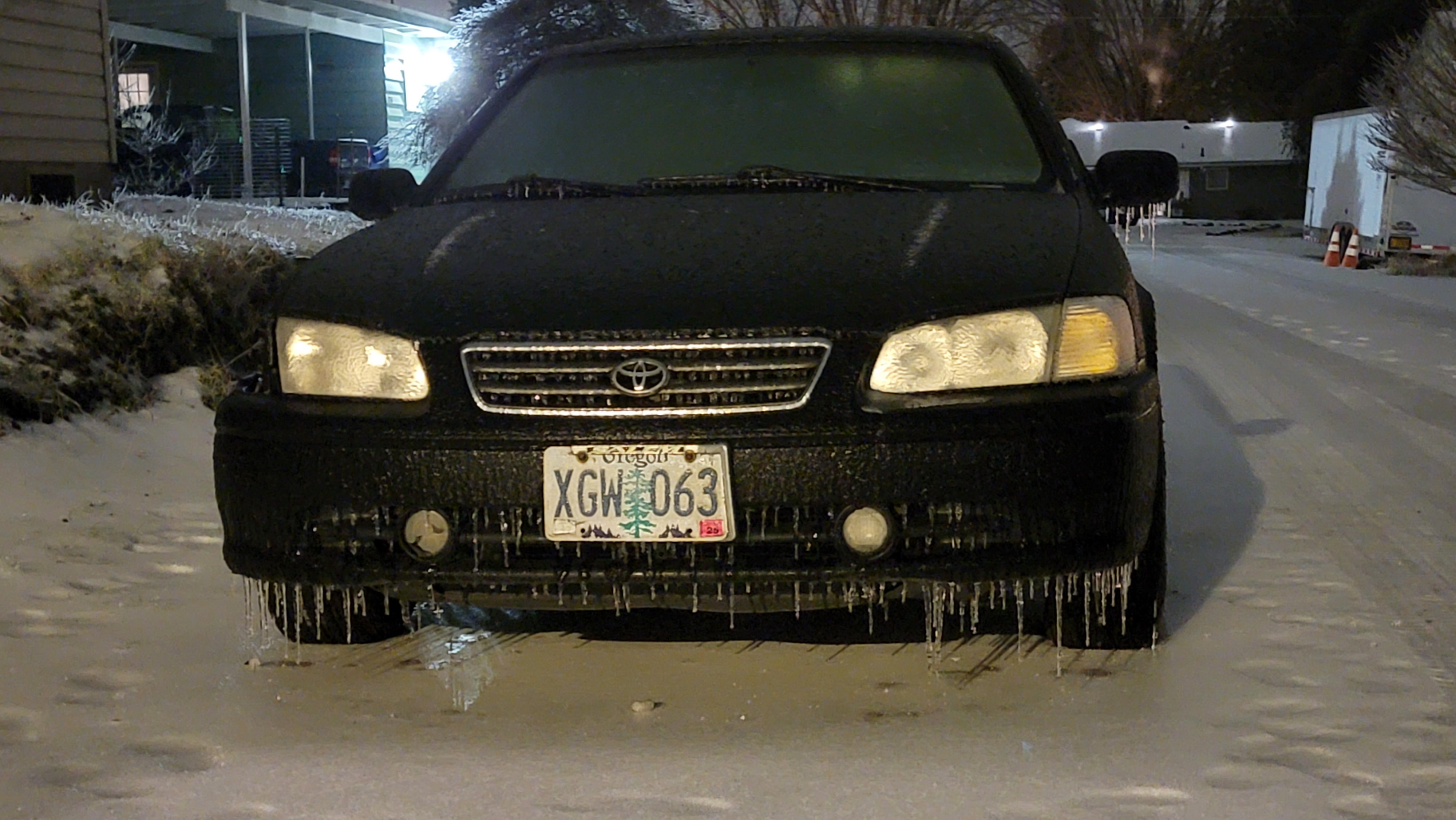
- Training (understand how your vehicle handles in rain, ice, emergency braking).
- Maintenance (brakes, tires, lights, wipers—all critical safety systems).
I don’t stare at my phone while driving. I don’t zombie through intersections. I don’t assume green lights mean “safe to go”—I check left and right every single time.
Because I’ve seen the alternative. I’ve worked in insurance. I’ve processed claims for preventable accidents.
The text message that could have waited. The yellow light that “definitely” wasn’t going to turn red. The assumption that no one else would run the stop sign.
Every single one: preventable.
The Maintenance System
Here’s my maintenance system for extreme vehicle longevity:
Every 6,000-7,500 miles:
- Oil change (synthetic blend, appropriate viscosity for mileage).
- Tire rotation.
- Visual inspection (belts, hoses, fluid levels, leaks).
Every 30,000 miles:
- Air filter replacement.
- Cabin air filter replacement.
- Brake fluid flush.
- Coolant system inspection.
Every 60,000 miles:
- Transmission fluid change (despite “lifetime fluid” claims—heat degrades it).
- Spark plugs (iridium last longer but still need replacement).
- Serpentine belt inspection/replacement.
Every 100,000 miles:
- Full suspension inspection (bushings, struts, tie rods).
- Timing belt/chain inspection (critical—failure = engine destruction).
- Fuel system cleaning.
Continuous monitoring:
- Check tire pressure weekly (properly inflated = better MPG + safety).
- Monitor fluid levels monthly (oil, coolant, brake fluid, power steering).
- Listen for new sounds (squeaks, rattles, grinding = early warning signs).
- Track fuel economy (sudden drop = engine/drivetrain issue developing).
This isn’t complicated. This is checklist discipline.
The same discipline that keeps my body running at 35 after 23 years of training. The same discipline that maintains a 867+ day MyFitnessPal tracking streak.
Consistency compounds.
The Parallel: Body as Asset
I’ve put 118,000 miles on my Camry in 10 years. I’ve put 23 years on my body through systematic training.
The maintenance principles are identical:
| Car Maintenance | Body Maintenance |
|---|---|
| Oil changes every 6k miles | Consistent training 3-5x/week |
| Use correct oil viscosity | Eat appropriate macros for goals |
| Check tire pressure weekly | Track weight/body comp regularly |
| Listen for new sounds | Monitor biometric data |
| Anticipate problems early | Get bloodwork annually |
| Don’t redline the engine | Don’t overtrain or crash diet |
| Drive smoothly | Train intelligently, not maximally |
| Replace parts before failure | Address injuries early |
Most people abuse both. They drive their cars hard, ignore warning lights, skip maintenance—then wonder why the engine seizes at 150,000 miles. They push their bodies relentlessly, ignore pain signals, skip recovery—then wonder why they’re injured and exhausted at 45.
The asset doesn’t fail. The maintenance fails.
The ROI of Maintenance
Let’s do the math on my $800 Camry:
- Purchase price: $800
- Total maintenance over 118,000 miles:
- Oil changes (16 × $35): $560
- Tires (2 sets): $600
- Brakes (pads + rotors once): $300
- Misc repairs (sensors, bulbs, filters): $400
- Total Maintenance: $1,860 Total cost of ownership: $2,660 Income enabled by vehicle: $200,000+
Now compare to:
- Buying a $30,000 new car (depreciates to $15,000 in 5 years = $15,000 loss).
- $400/month car payment × 60 months = $24,000.
- Higher insurance, higher registration, higher opportunity cost.
The $800 Camry wasn’t a “cheap car.” It was a strategic asset purchase with a 74× return.
The same logic applies to your body: Skip the $3,000 Peloton subscription. Buy a $200 kettlebell set and learn to use it properly = 23 years of results. Skip the $150/month gym membership you don’t use. Build a garage gym for $1,000 = lifetime access, zero friction.
The best assets aren’t expensive. The best assets are maintained.
The Lesson
My 2000 Camry has 323,000 miles. It will likely reach 400,000+ if I continue the system.
Not because it’s a “special car.” Because I treat it like a system that requires maintenance.
Oil changes every 6,000-7,500 miles. Smooth acceleration and braking. Anticipating problems 200 feet ahead. Respecting it as the 3,800-pound weapon it is.
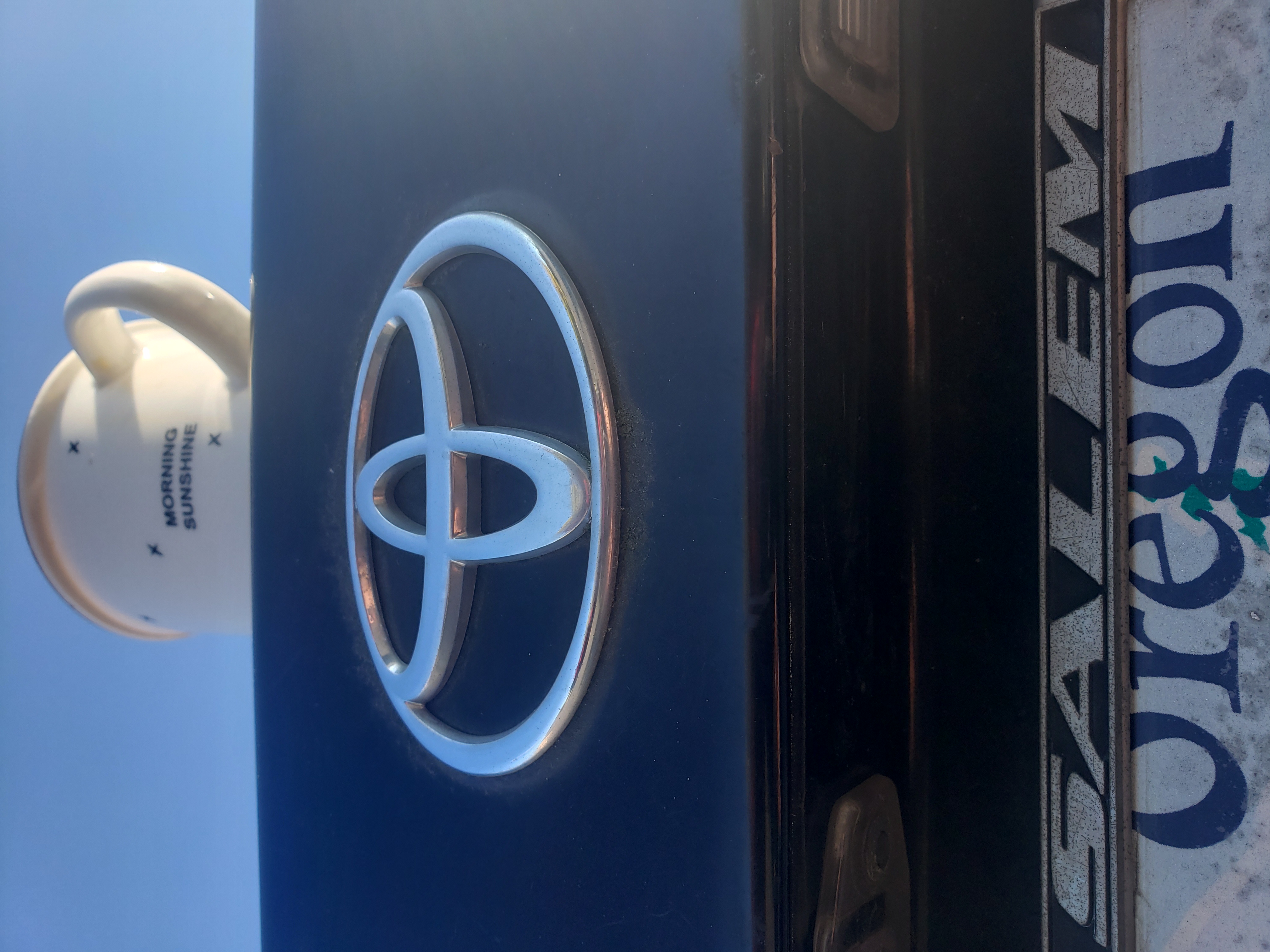
And my body? 867+ days of food tracking. 23 years of consistent training. Systematic sleep, recovery, and stress management. Anticipating health issues before they become chronic.
Same system. Same results.
Neglect kills. Maintenance compounds.
Your assets—car, body, career, relationships—all operate on the same principle:
You either maintain them consistently, or you replace them expensively.
I chose maintenance. And that $800 investment earned me $200,000.
What assets are you neglecting?
And what would happen if you applied the 45-minute oil change system to them?